



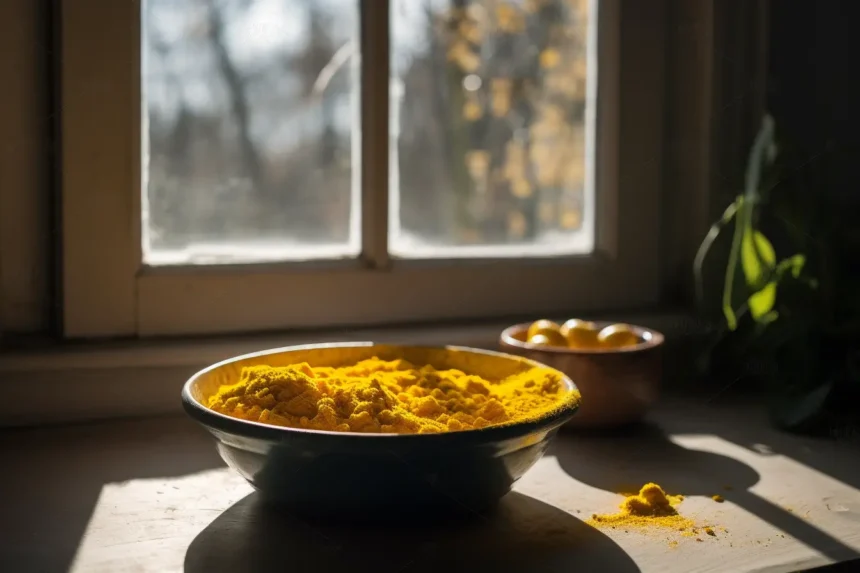
The turmeric we are used to using is a powdered spice that tastes bitter.
Science knows about 80 species of it. Turmeric is also known as Indian ginger or yellow ginger because it is a herbaceous perennial plant that belongs to the ginger family. It is native to India and Indochina. Alexander the Great was the first to bring it out of India.
Composition of turmeric
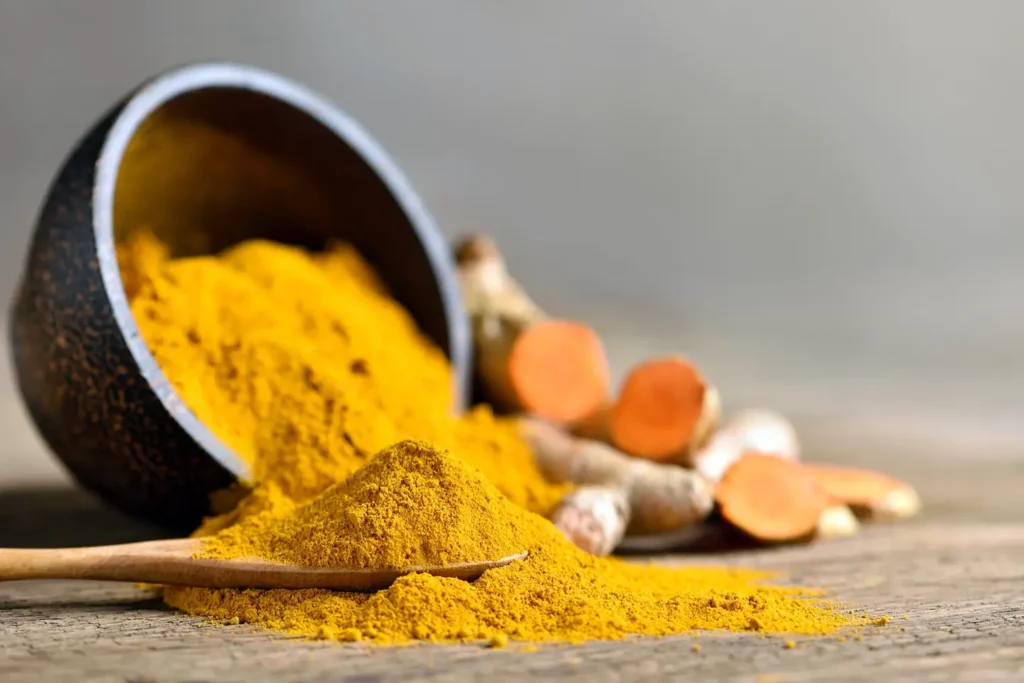
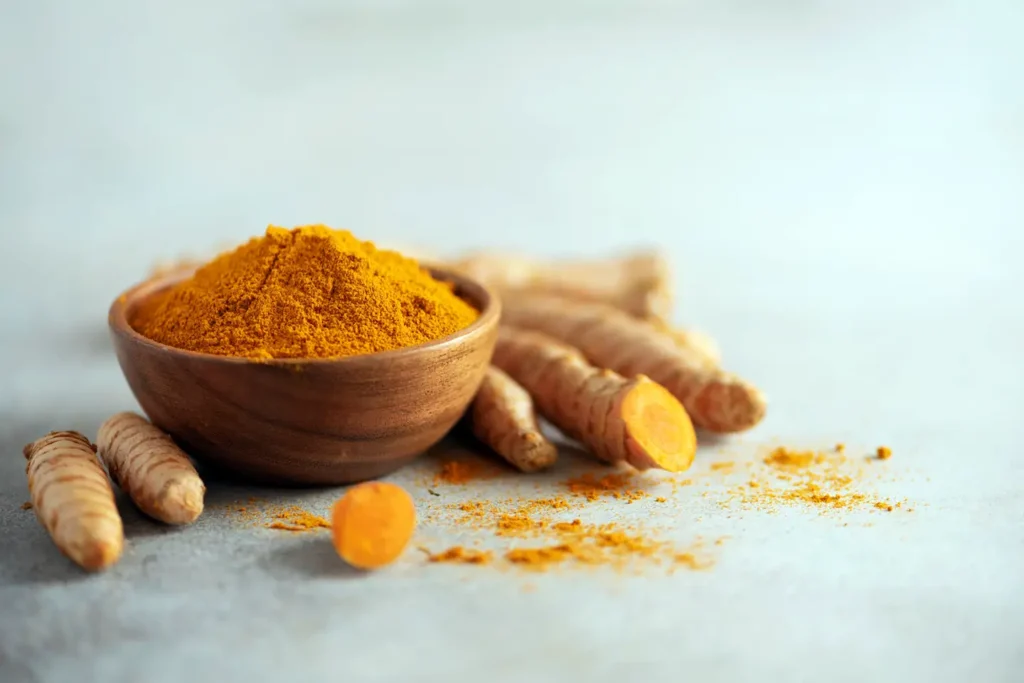
Turmeric is a powder made from the root of the plant of the same name.
The main component of the spice is curcumin, which gives it its name and colour. It is used to make the food additive E100, which is called turmeric. This additive is not the least important in the food industry. It improves the presentation of such consumer products as butter, yoghurt, mayonnaise, margarine, and cheeses by giving them a yellowish tint.
What turmeric treats
The properties of turmeric have a beneficial effect on human health. Curcumin is considered to be the most valuable component of this spice, thanks to which turmeric is so popular:
- It heals the human body at the cellular level.
- Increases the resistance of cells to infections and malignant tumours.
- Improves the digestive process.
- Regulates cholesterol level.
- Purifies the blood.
- Reduces the risk of cardiovascular diseases.
The benefits and harms of turmeric
For children
No unequivocal conclusion has been found on the benefits and harms of turmeric for children. It is a strong allergen, so according to medical recommendations, it can be given to children only after the age of six as an effective expectorant and anti-inflammatory agent. To do this, mix the powder with honey in equal proportions and dilute it with warm milk. But you need to be careful not to exaggerate the norm – 3 mg of turmeric per 1 kg of child’s weight.
For women
In India, turmeric is a symbol of feminine energy, which is why it is used in rituals dedicated to Lakshmi, the goddess of love and wealth.
Turmeric is used for women:
- in cosmetology (to improve skin condition);
- for weight loss (normalises metabolism)
Contraindications are pregnancy and breastfeeding.
For men
Men need to add turmeric to any dish every day, because it is:
- It has a positive effect on the reproductive function of the body.
- Improves potency.
- Strengthens erection.
- Effectively fights prostatitis.
- Normalises the functioning of the endocrine system.
Contraindications:
- post-stroke condition;
- diabetes mellitus;
- hypertension
- glaucoma;
- gastric ulcer.
How to use turmeric
Turmeric can be consumed in powder form or as a dietary supplement. It should be taken in the middle of the day, or in the evening half an hour before meals or one hour after meals. The recommended dose for adults is one tablespoon per day, which should be taken in portions.
Curcumin is poorly absorbed by the body, so it should be taken together with piperine, which is contained in black pepper. As a result, turmeric should be mixed with black pepper and drunk, or consumed as a dietary supplement with piperine. Turmeric is best absorbed by the body together with olive oil or by adding it to warm dishes and drinks. In the cold season, it will be appropriate to make the following drink: add one teaspoon of turmeric, black pepper, lemon juice, and ginger to warm liquid. Let it brew and consume in small sips throughout the day.
How long to drink curcumin
Turmeric contains only 3% curcumin, so it is doubtful that this spice will cure any diseases or harm the body. To get a therapeutic effect, you should use curcumin preparations. First, you need to get a doctor’s advice on how to use turmeric properly. Curcumin has a cumulative effect, so the course lasts for almost two months. The recommended time for taking it is in autumn and winter. From a medical point of view, it is better to consume these drugs in the morning during or after meals.
Who should not use turmeric
Along with its beneficial properties, turmeric also has negative ones that can harm the body. As we have already found out, it should not be consumed:
- children under 6 years of age;
- pregnant women;
- nursing mothers.
It is also contraindicated for those who suffer from:
- gallstone disease;
- stomach ulcer
- haemorrhoids
- erosion
- gastritis
- diabetes mellitus;
- hypertension, etc.
Doctors do not recommend using it together with drugs that thin the blood.
Use of the product in cooking
Turmeric root in powder form is very popular in Asian cuisine, especially in India. This spicy spice prolongs the shelf life of food, fills dishes with unsurpassed taste and aroma. It is used in the preparation of various sauces, marinades, and even desserts. Due to the presence of curcumin, it is able to colour dishes a pale yellow colour. It is also added to various bulk mixtures, liqueurs, and coffee drinks. Turmeric is a full-fledged spice that is known and used all over the world. It is perfectly combined with other spices and adds flavour to meat, fish and vegetable dishes.