



Getting up at five o’clock in the morning has recently become a fashion trend, with social media users boasting about this achievement to each other and sharing the latest techniques. It is becoming synonymous with a successful person.
But at the same time, janitors, tram drivers and garbage collectors, whose early wake-up has long been an integral part of their lives, are hardly successful people. It all depends on the purpose for which this “feat” is undertaken.
If you discuss how useful it is to get up at five in the morning in a nightclub until two in the morning, and even set an alarm, the only “conquest” in the morning will be bags under your eyes, a feeling of “lack of sleep” and a “cast-iron” head.
And when you set a specific goal, waking up early will help you significantly reduce the time it takes to achieve it.
Chronotype: what is it and how does it affect sleep?
The term “chronotype” refers to changes in the intensity of physiological, psychological and emotional processes and states that occur during the day.
There are three main chronotypes based on the time of going to sleep and waking up:
- “Larks”. Without feeling drowsy at all, these people easily wake up with the first rays of the sun and manage to solve many tasks before the start of working hours, while maintaining high physical and intellectual activity throughout the first half of the day. The morning “energy explosion” is felt in the evening – larks go to bed early.
- “Owls”. The peak of activity for them is in the afternoon and evening. For representatives of this chronotype, evening workouts and work by the light of a table lamp are quite comfortable. They go to bed late (often after midnight), so waking up no earlier than 9 am is a common thing for them.
- “Pigeons”. These “homo sapiens” are active throughout the day. It is for this chronotype that the daily routine for hospitals, sanatoriums, and children’s health camps is developed: wake-up between 7 and 9, and retirement between 21 and 23 hours.
As a percentage of the adult population, approximately 20% of “owls” and “larks” and 60% of “pigeons” have no clearly defined chronotype.
Factors that influence the chronotype:
- genetics, with experts estimating its influence at 20-50%;
- living conditions, such as daylight hours, working hours, family situation (a small child optimises any parental chronotype for himself or herself);
- gender and age: men are more “owls”, while women are mostly “larks”, children and the elderly are “larks”, and teenagers are mostly “owls”.
The benefits of rising early
In contrast to the “morning” chronotype, which is characterised by a high level of mental stability, “owls” are more likely to be prone to schizophrenia, anxiety and depression caused by chronic sleep deprivation.
According to statistics, “owls” are more likely to need stimulants, so they are prone to abuse caffeine, alcohol and other recreational drugs, which adversely affects the state of the body
Social life is mainly aimed at “larks” – the desire of “owls” to sleep longer is regarded as laziness and laxity.
5 tips to become a morning person and start waking up early
Do you need more free time to achieve a new goal? Do new life circumstances make you forget about aristocratic cravings before noon? It’s time for the “owl” to turn into a “lark”. Doctors have five tips for this case:
Change your bedtime
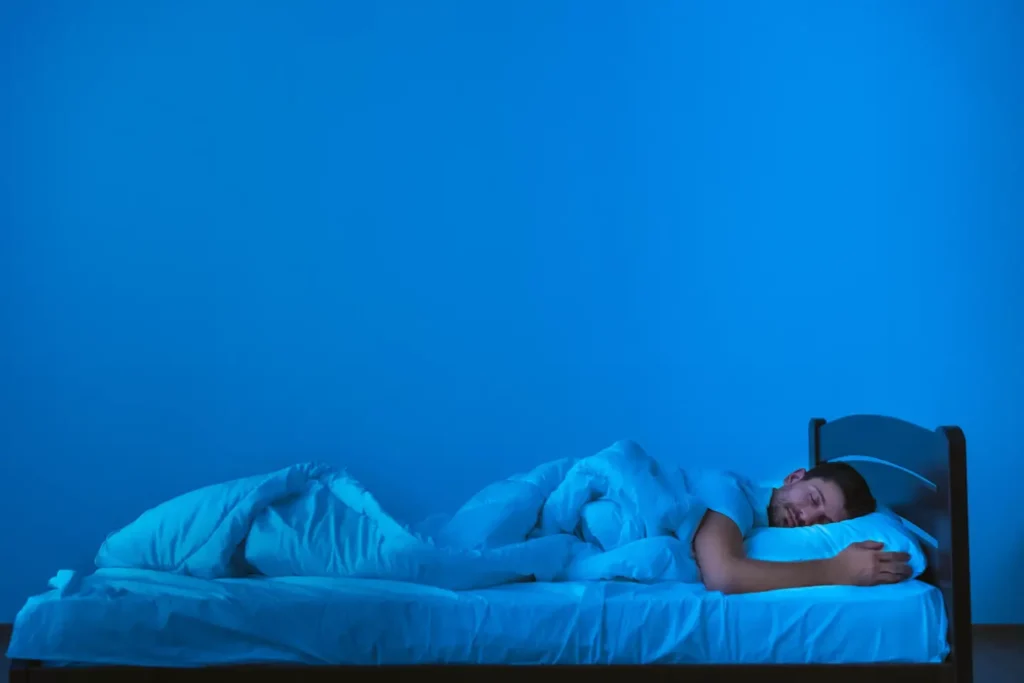
To achieve normal activity during the day, a person needs 7-8 hours of sleep, and with this in mind, you need to coordinate the time of waking up and going to bed. The easiest way is to try to go to bed 20 minutes earlier than usual.
Accordingly, the alarm time is moved by 20 minutes. To make it easier to get used to, you can do this procedure not every day, but at short intervals. Over time, waking up early will become a habit.
Proper lighting helps you fall asleep
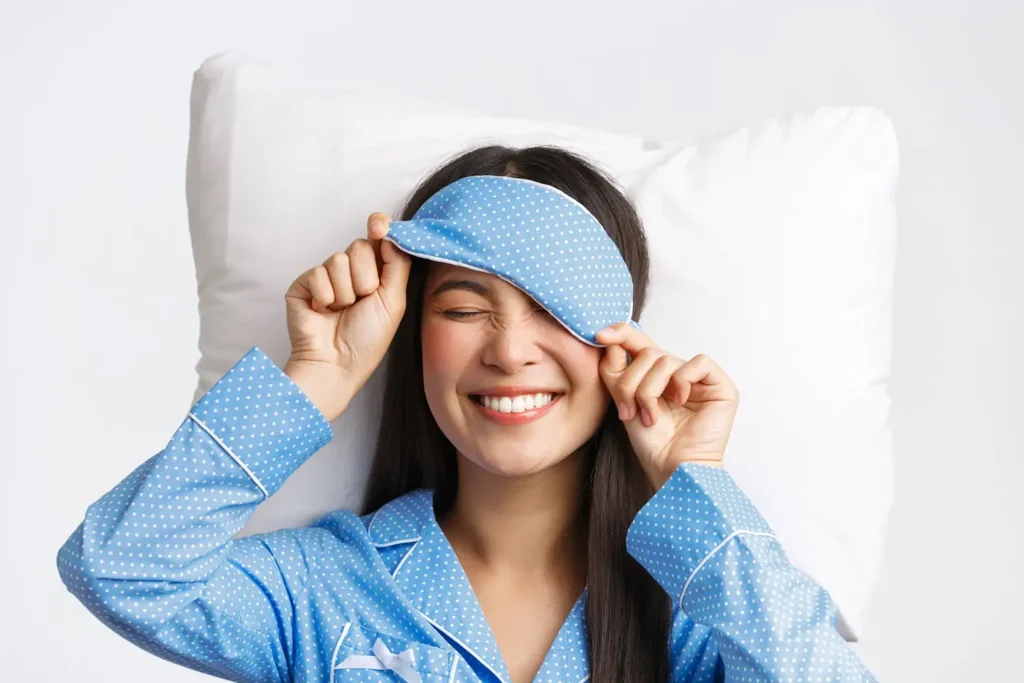
The best condition for the production of the sleep hormone (melatonin) is complete darkness. Thick curtains for the room, special masks for sleeping when travelling are common ways to save your eyes from unnecessary light exposure.
Modern research has shown that the right choice of lighting and bedroom colour scheme can speed up the process of falling asleep.
One of the main mistakes of a modern person is the use of “dream apps”, computers and mobile phones. Any intellectual activity, even watching a TV series or commenting on photos, excites the nervous system.
But the main enemy in this case is the blue light emitted by TV screens, computers, and fluorescent lamps. At a subconscious level, the brain perceives blue light as an analogue of clear sky, dawn and wake-up time, which reduces melatonin production.
When choosing the colour of bedroom interior items, keep in mind that blue and green have a calming effect, red is exciting, but yellow does not contribute to the process of falling asleep, but will make it easier to wake up. Dim light in your favourite shade will help you fall asleep faster.
It is best to turn off the light an hour or two before bedtime, leaving a night light on if necessary. Watching a candle flame burn and sway in the darkness is also very calming.
Staying outside in bright sunlight stimulates the production of melatonin.
Exercise at the right time

Muscle-relaxing exercises will help speed up the process of falling asleep, their goal being to bring the nervous system into a state of maximum calm. It is advisable to perform them immediately before going to bed.
Hatha yoga and yoga nidra practices give very good results. Exercises will relieve the effects of daytime stress and relieve panic attacks. The main thing is not to get carried away: a short-term class should not include power, balance and inverted types of asanas, as well as asanas that squeeze individual parts of the body.
Meditation and breathing exercises will help you regulate and adjust unconscious processes in the body (heartbeat, blood circulation, breathing depth and frequency) to a state of maximum calm.
The simplest meditation technique will take just over 15 minutes. You will need:
- set an alarm clock with a calm, quiet signal for 15 minutes;
- sit comfortably in a soft armchair or on a sofa, you may need to use an additional roller or pillow (if you feel discomfort in the spine);
- close your eyes and fix in your mind a single thought that will give you a feeling of complete happiness, confidently “driving away” extraneous ideas and thoughts that appear, while persistently returning to the initial state of absolute comfort;
- open your eyes slowly and smoothly after the alarm clock goes off.
What eating habits you need to give up to get up early

Getting up early will only bring a feeling of vigour and comfort if it is preceded by a good night’s sleep. Food plays an important role in this process.
To ensure that the last meal of the day does not interfere with your recovery, it is enough to follow four rules:
- for the full digestion of dinner, it is necessary to finish it 90-120 minutes before going to bed (otherwise, a feeling of heaviness in the stomach for the whole night is guaranteed);
- a glass of warm water, herbal infusion, vegetable juice will help to ease the feeling of “animal” hunger (often hunger is “disguised” as ordinary thirst);
- in order not to wake up in the morning with traces of puffiness on the face, the amount of liquid consumed before bed should be limited – one glass is enough to maintain water balance, cleanse toxins and normalise digestion;
- it is better to “divide” dinner into several small portions, consumed at intervals of 20-25 minutes, to reduce the risk of overeating.
For a normal night’s rest, nutritionists do not recommend eating such products at night:
- Fats in any form – their digestion takes a lot of energy, increases body temperature, and, as a result, reduces the production of melatonin;
- red meat – the amino acids contained in it stimulate the production of biologically active substances that excite the brain;
- sweets – sugar is an energiser, which means it makes it difficult to fall asleep;
- black tea and coffee – caffeine and tannin contained in them have a tonic effect;
- Alcohol – its short-term relaxation effect will quickly turn into a state of anxiety and worry;
- ascorbic acid – has an invigorating effect;
- spicy foods – as well as fats, raising the body temperature, “slows down” the synthesis of the “sleep hormone”.
Means of motivation and encouragement
An additional 2-2.5 hours of free time in the morning devoted to yourself will charge you with positive energy for the whole day. You can take your time, “with a clear head”, to sum up the results of the previous day and set priorities for today, taking into account its mistakes and shortcomings.
No one claims to have free time in the morning, so you can devote it to physical training (the excuses “no time” and “too tired” will not work). This will improve your mood and charge your body with positive energy.
Breakfast can be turned from a “quick snack” into a pleasant ceremony – in the morning, there is enough time to prepare simple delicacies that you are too lazy to bother with in the evening and have no time for during the day.
An external image created without haste and checked to the smallest detail will give you confidence for the whole day ahead.
But so that nothing overshadows the positive start to the day, you should prepare for it in the evening: ready-made clothes and a bag packed in the evening will free up those precious minutes during which you can “pamper” yourself with your favourite activity without being distracted by the routine. It can be watching an interesting TV programme, doing needlework, training for self-improvement… Aren’t there many pleasant things that you don’t always have time for?
And by boldly going out to meet the working day, you can admire the waking city to your heart’s content, take a pleasant walk, enjoy hot coffee with dessert in your favourite coffee shop, and all this without fuss and obsessive thoughts: “I will be on time – I will not be on time”.