


A volcanic eruption is one of the most terrible disasters, and it can cause the death of hundreds or even thousands of lives. We have compiled a list of the top 10 most dangerous volcanoes in the world.
Mauna Loa volcano, Hawaii
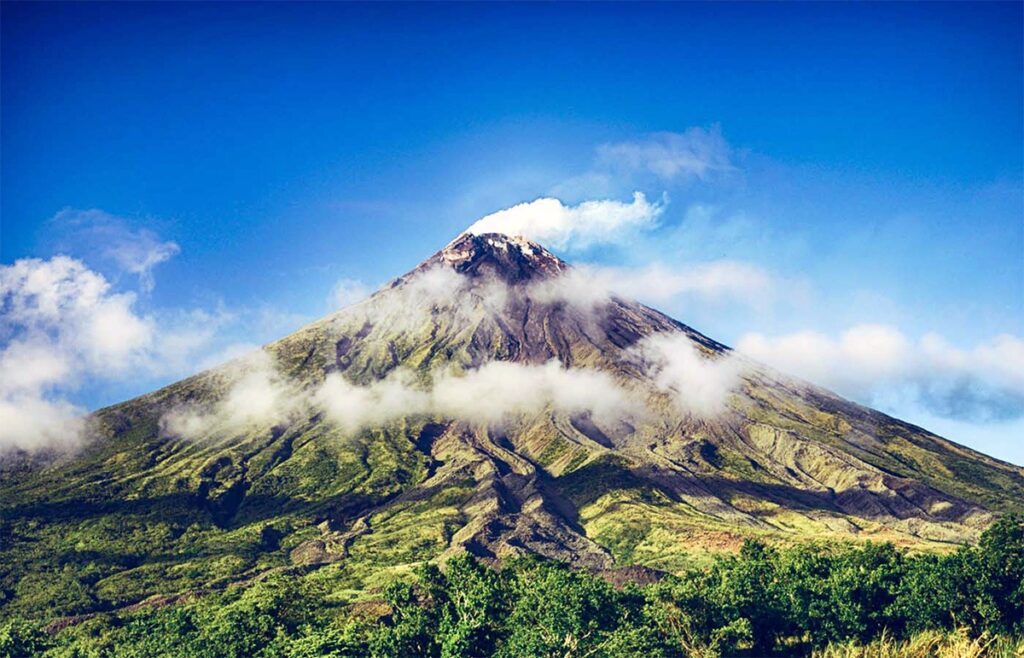
Mauna Loa is the largest volcano in the world (by volume and area), with a lava volume of approximately 18,000 cubic miles. Mauna Loa is one of the five mountains that make up the island of Hawaii. Although Mauna Loa is not the highest mountain, it is the most dangerous when it erupts, due to the fact that the contents of this mountain lava contain a lot of liquid that can cause serious fires. The last time the mountain erupted was on 15 April 1984.
Taal Volcano, Philippines
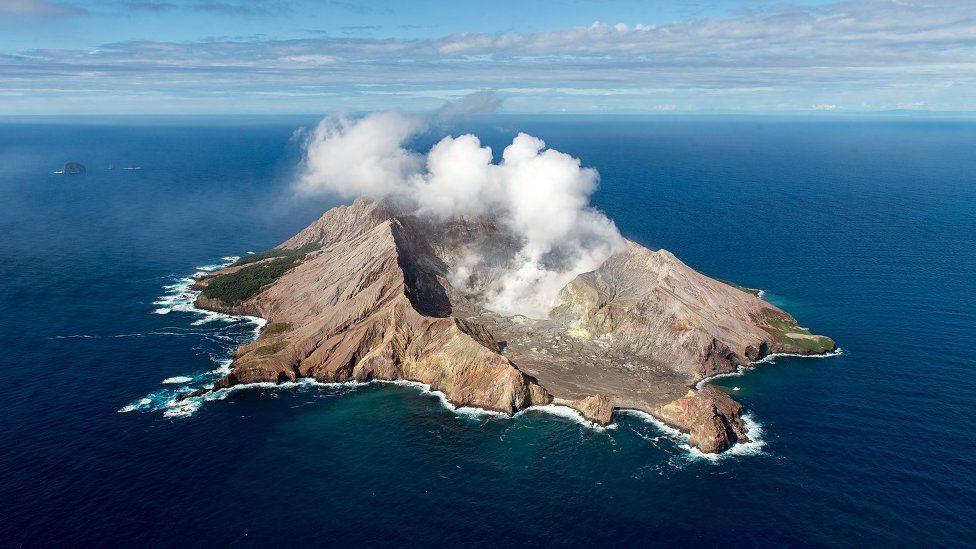
Taal Volcano is a volcanic complex on the island of Luzon in the Philippines. This mountain consists of an island in Lake Taal, which is located inside a caldera formed by very strong previous eruptions (a process similar to Lake Toba). Taal Volcano is located about 50 km from the capital city of Manila. This volcano has erupted violently several times, becoming one of the most powerful eruptions in 1991, when more than a thousand souls died.
Ulawun Volcano, Papua New Guinea
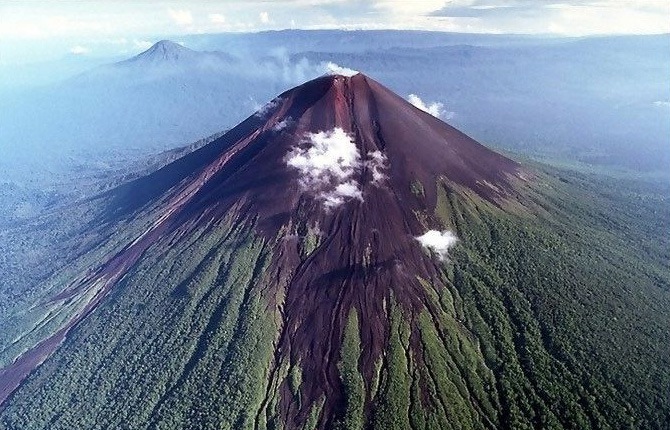
Ulawun is one of the most active volcanoes in Papua New Guinea and one of the most dangerous. The mountain is located in Papua New Guinea, Bismarck Arc. Several eruptions of the mountain have been recorded, one of the most violent eruptions was in 1980, when Ulavun released ash up to 60,000 feet high and created pyroclastic flows that covered all sides of the mountain.
Niragongo volcano, Congo
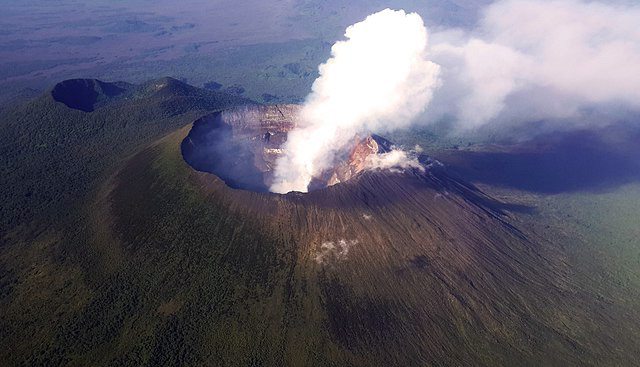
Niragongo is one of the most active volcanoes in Africa, and it is always showing significant activity. Since 1882, it has erupted at least 34 times. One of the worst eruptions occurred on 17 September 2002, when lava flowed down the slopes of Niragongo, covering approximately 40% of the city of Goma, and nearly 120,000 people were left homeless.
Mount Merapi, Indonesia
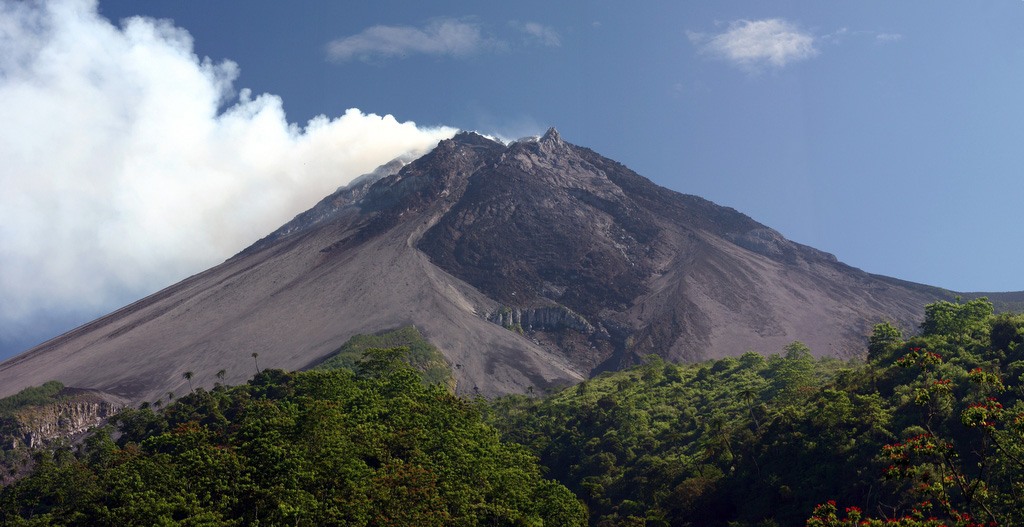
Mount Merapi is a conical volcano located on the border between Central Java and Yogyakarta, Indonesia. It is the most active volcano in Indonesia and has been erupting regularly since 1548. This mountain was active 10,000 years ago. Most of Merapi’s eruptions are associated with the collapse of the lava dome. And sometimes it is often accompanied by a stream of hot smoke (wedhus trash), the speed of which can reach 120 km per hour.
Galeras Volcano, Colombia

Galeras Volcano has been active for at least a million years. It is located near the southern border of Colombia with Ecuador. This mountain is the most active volcano in Colombia. This mountain has been erupting almost every year since 2000. It is dangerous because of the unexpected frequency of eruptions. It can lead to an eruption of hot lava 3.5 km down to the slopes of Mount Galeras. The last eruption took place on 3 January 2010 and forced the government to evacuate 8,000 people.
Sakurajima volcano, Japan
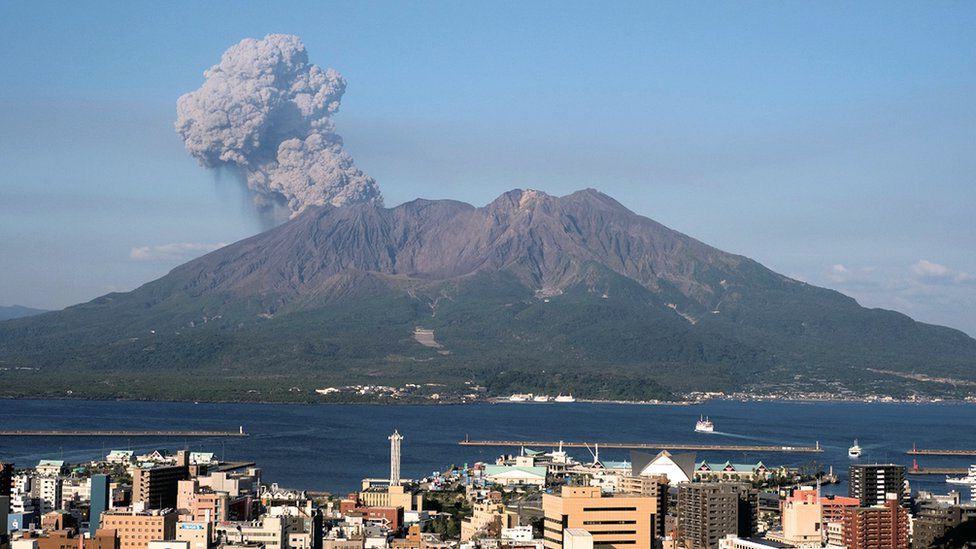
Sakurajima is one of the most active volcanoes in Japan, located on the island of Kyushu in Japan. The intensity of eruptions is one of the highest in Japan and even in the world. 7300 eruptions have been recorded over the past 45 years. One of the most horrific eruptions took place on 10 March 2009, when the mountain threw stones and other rocks at a distance of 3 km.
Popocatepetl volcano, Mexico
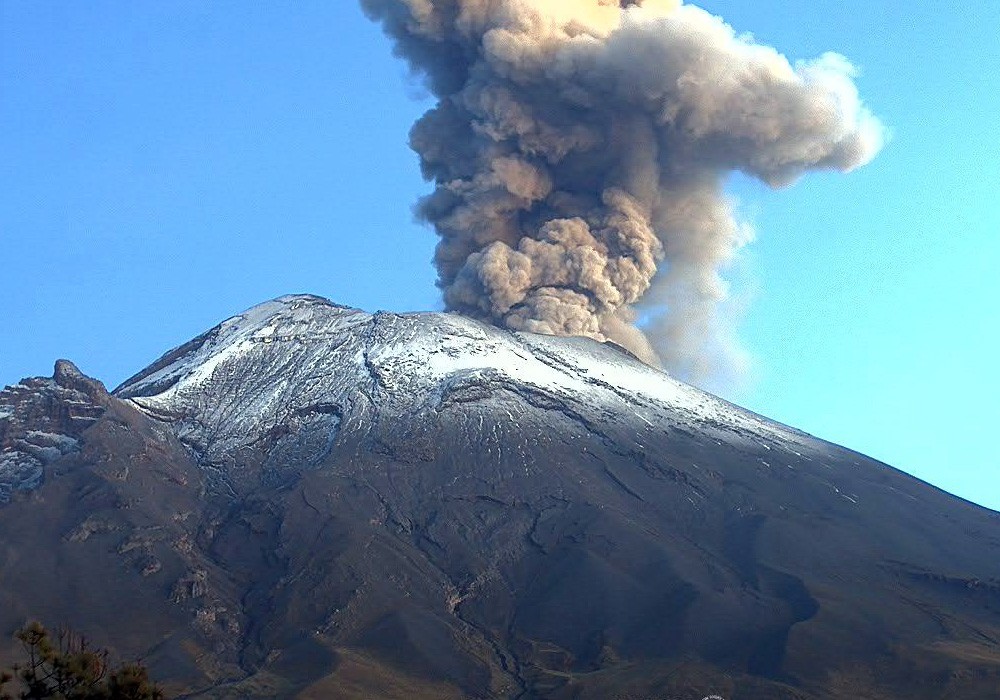
Popocatepetl is an active volcano located at an altitude of 5426 metres above sea level. Scientists have recorded 20 eruptions since 1519. The explosions of this volcano can be very powerful, so it can release volcanic ash over long distances. Since December 1994, there has been renewed activity on the mountain until finally a major eruption in 2000, which is the largest eruption of Mount Popocatepetl in history.
Mount Vesuvius, Italy
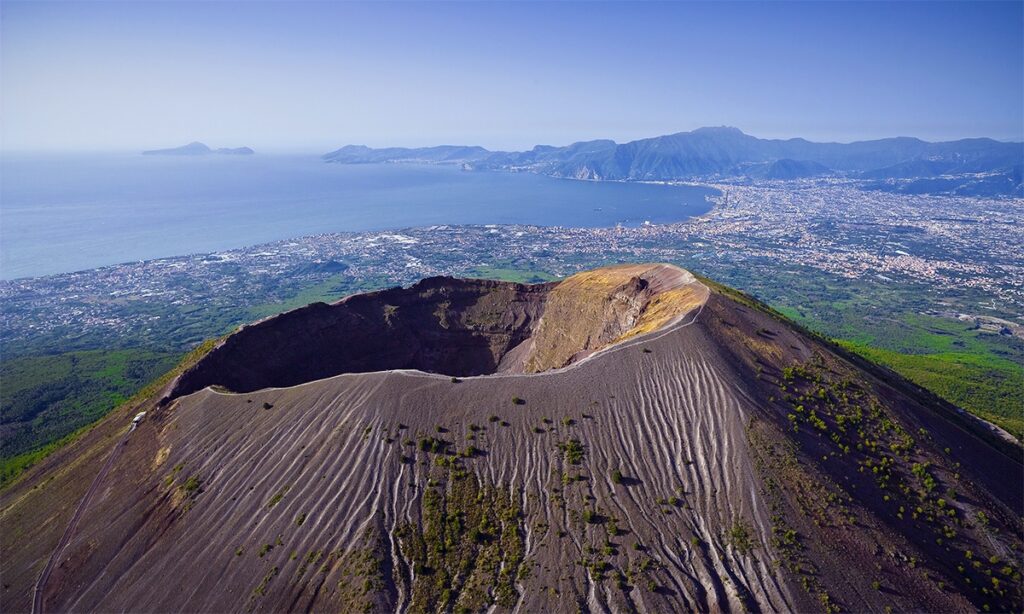
Vesuvius is a stratovolcano in the Bay of Naples, Italy, about nine miles east of Naples. Vesuvius is the only volcano in mainland Europe that has erupted in the last hundred years. It is known for the eruption of Vesuvius in 79 AD, which caused the destruction of the Roman cities of Pompeii and Herculaneum. This mountain can become active at any time. The danger is that about 3 million people live around Mount Vesuvius. The eruption of lava flashes can lead to very high consequences.
Yellowstone supervolcano, USA
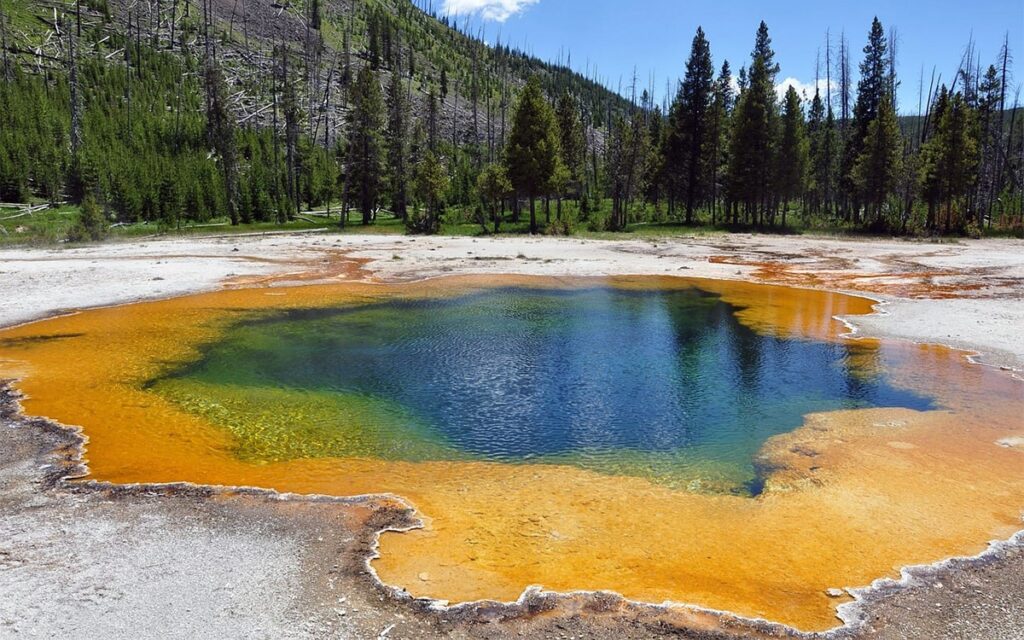
The Yellowstone Caldera, sometimes called the Yellowstone Supervolcano, is a volcanic caldera and supervolcano in Yellowstone National Park in the western United States. The caldera and most of the park are located in the northwestern part of the state of Wyoming. The caldera measures 70 by 45 kilometres, and post-caldera lavas spill out a considerable distance beyond the caldera itself.
If the supervolcano beneath Yellowstone National Park ever erupts again, it could spew ash thousands of miles across the United States, damaging buildings, shutting down power plants and possibly causing the extinction of some species. It would be a huge disaster.
But that doesn’t mean we should all start going crazy. Fortunately, the chances of that happening are quite low. The Yellowstone supervolcano – thousands of times more powerful than a normal volcano – has erupted only three times in its history. One occurred 2.1 million years ago, one 1.3 million years ago, and one 664,000 years ago.
And despite what you sometimes hear in the press, there is no indication that another “super-eruption” is on the way. In fact, it’s quite possible that Yellowstone will never have another eruption this big again.