


The Earth is rich in seas, but the Red Sea is the most saline. Each litre of its water contains forty-one grams of salt. The Gulf of Aden is the only supplier of water for it.
During winter, the temperature of surface waters drops significantly, so they sink downwards, while warm waters, on the contrary, rise from the sea depths. This is the process of water mixing. The temperature and salinity of the water are the same throughout the sea, except in the trenches.
In the 60s of the twentieth century, scientists discovered depressions in the Red Sea with so-called “hot brine”, the temperature of which ranges from 30 to 60 degrees Celsius. This is due to the heating of the water from the inside, i.e. the earth’s heat. According to scientists, seawater does not mix with brine and differs from it in terms of chemical characteristics.
TOP – 10 saltiest seas in the world
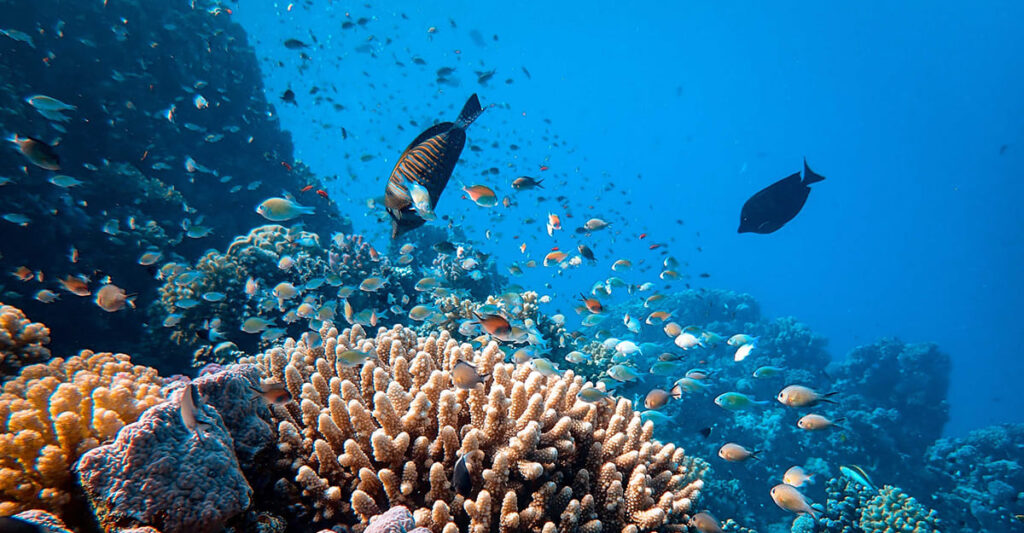
1. The Red Sea is an intercontinental sea in the Indian Ocean that originated at the site of a tectonic fault between Africa and the Arabian Peninsula of Eurasia. The area of the sea is about 450 thousand km²; the deepest trench is 2,600 m; the volume is 251,000 km³. The salinity is forty-one grams of salt per litre of water. The sea stretches from northwest to southeast for 1932 km.
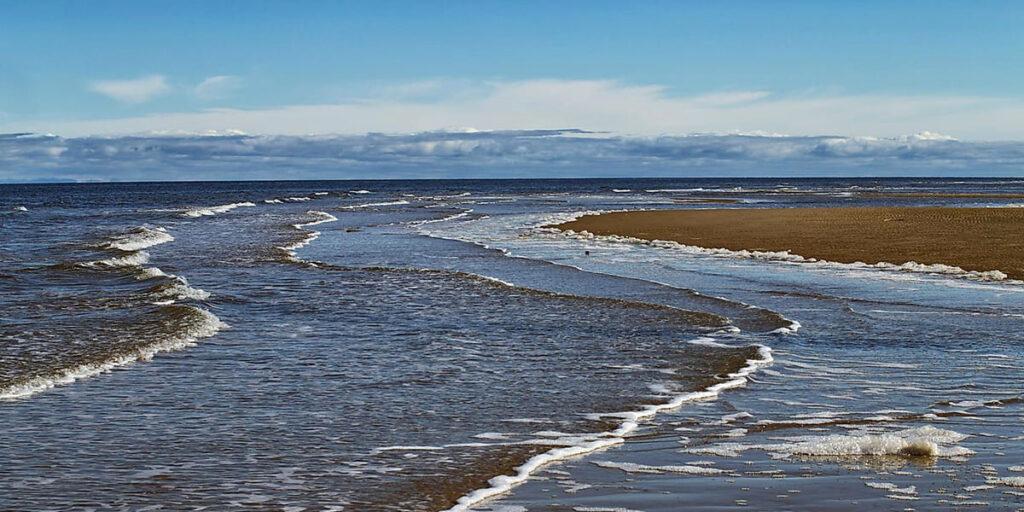
2. The Laptev Sea is a marginal sea of the Arctic Ocean, located between the northern coast of Siberia, Taimyr, Severnaya Zemlya Islands in the west and the Novosibirsk Islands in the east. The surface area of the sea is 672,000 km². The maximum depth is 3,385 metres. The salinity is 35 g of salt per 1 litre of water.
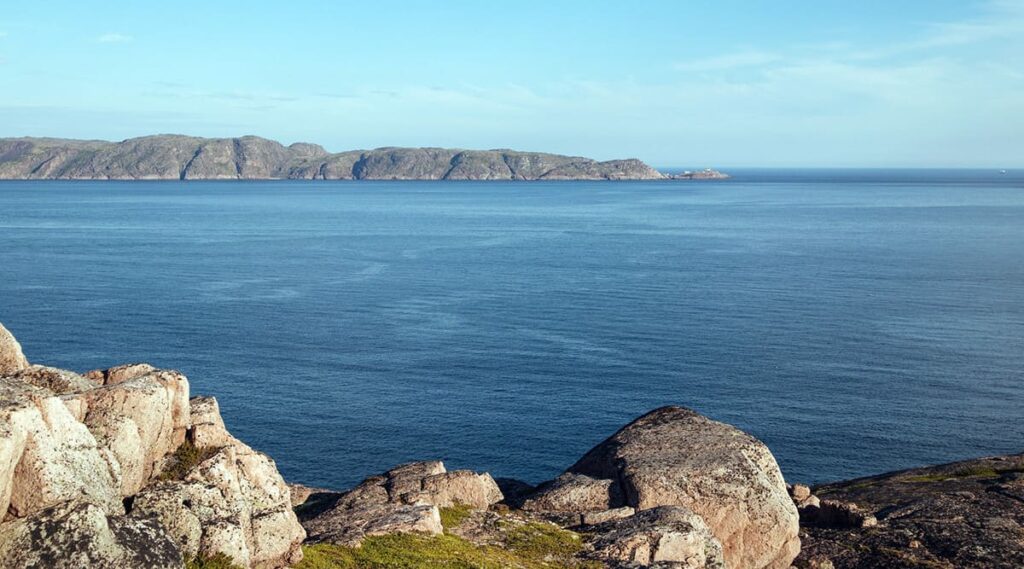
3. The Barents Sea is located on the edge of the Arctic Ocean between the archipelagos of Svalbard, Novaya Zemlya, Franz Josef Land and the Scandinavian Peninsula. The sea covers 1438 thousand km² and reaches a depth of 600 m. The average volume of water is 322 thousand km³. The water salinity is 34.9 grams of salt per litre of water.
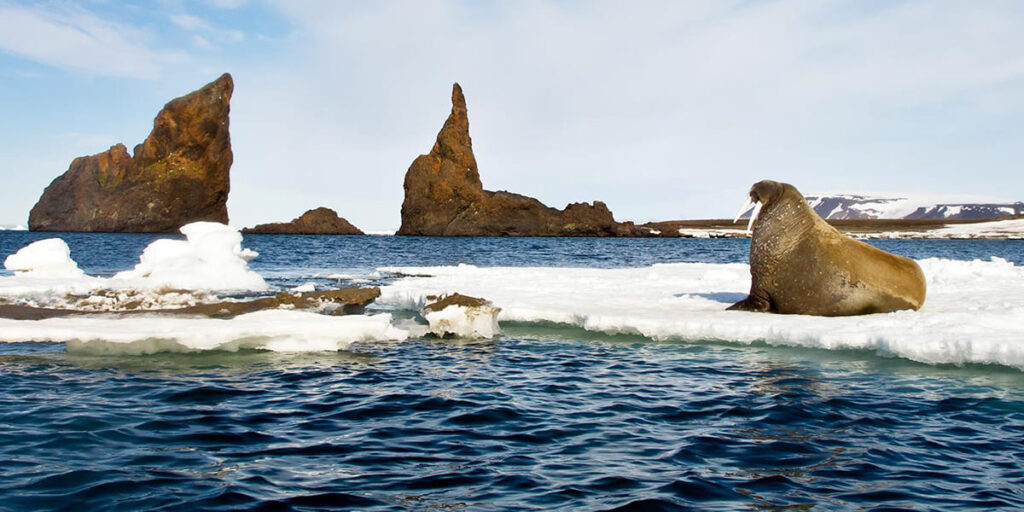
4. The Kara Sea is a marginal sea of the Arctic Ocean, off the coast of Asia, between Novaya Zemlya and Severnaya Zemlya, which is adjacent to the mainland. The maximum depth is 620 metres. The area is 893,400 km². Salinity – 34 ppm.

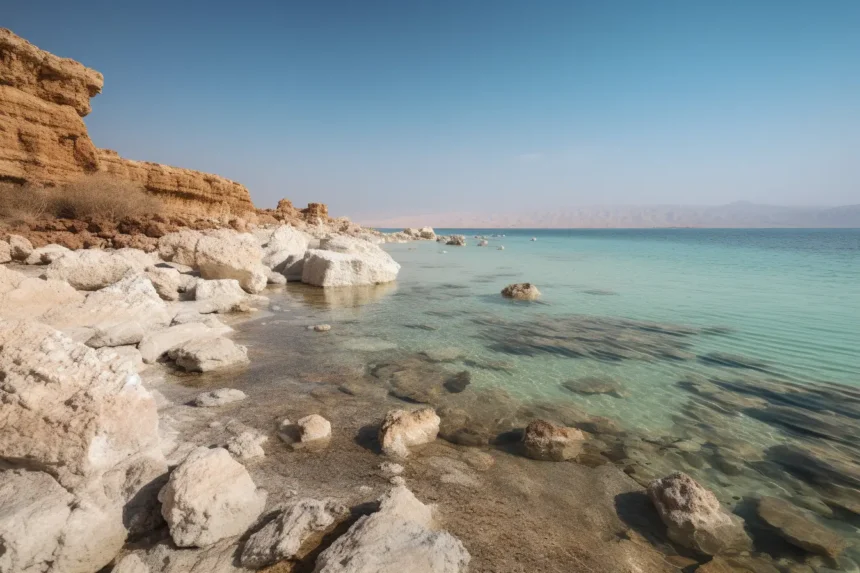
5. The Dead Sea is located on the territory of Jordan and Israel in Western Asia. Its area is more than 605 km², with a maximum depth of 306 m. The water salinity is 33.7 grams of salt per litre of water. The Jordan is the only river that enters this sea. There is no way out of it, which is why it was scientifically more correct to recognise it as a lake.
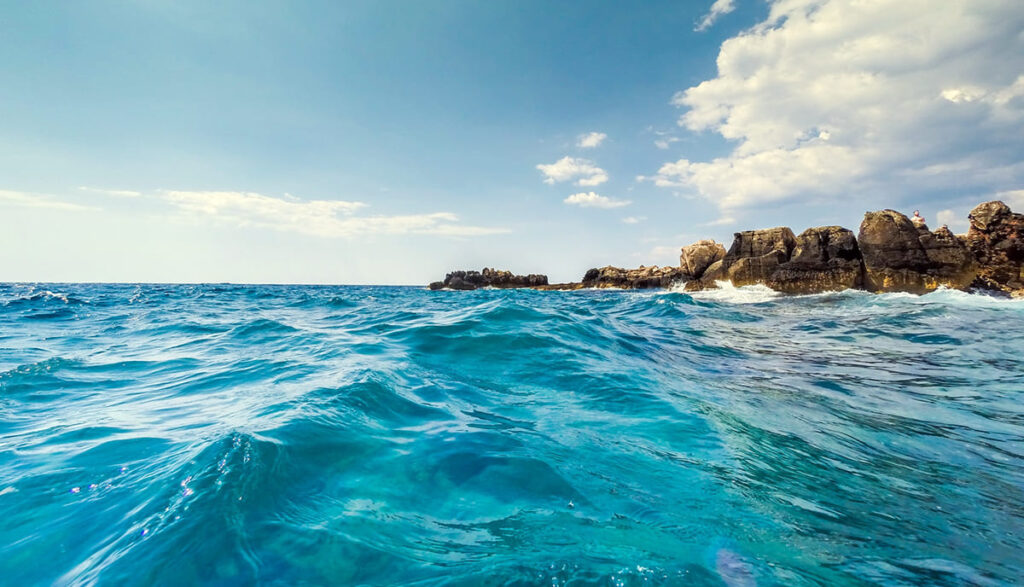
6. The Mediterranean Sea is an inland, intercontinental sea of the Atlantic Ocean, located between Europe, Asia and Africa. Its area is 2,505 thousand km² and its depth is up to 5,121 m. Salinity ranges from 36‰ in the west to 39.5‰ in the eastern part.

7. The Chukchi Sea is a marginal sea of the Arctic Ocean, off the coast of the Chukchi Peninsula and Alaska; it is connected to the Pacific Ocean by the Bering Strait. The area is 582 thousand km² and the depth is up to 1256 m. In general, the salinity increases from west to east from 28 to 30-32 ‰, respectively.
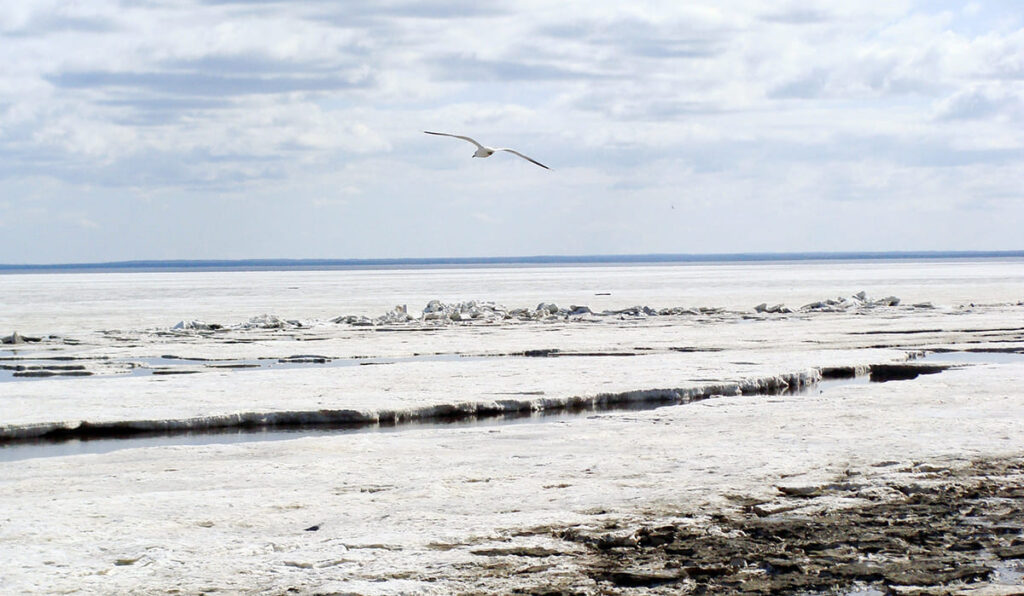
8. The White Sea is an inland sea located in the northern part of Russia and belongs to the Arctic Ocean. The sea surface area reaches 90 thousand km². The maximum depth of the sea is 343 metres. The salinity of deep waters is much higher than that of surface waters – up to 31 ppm.
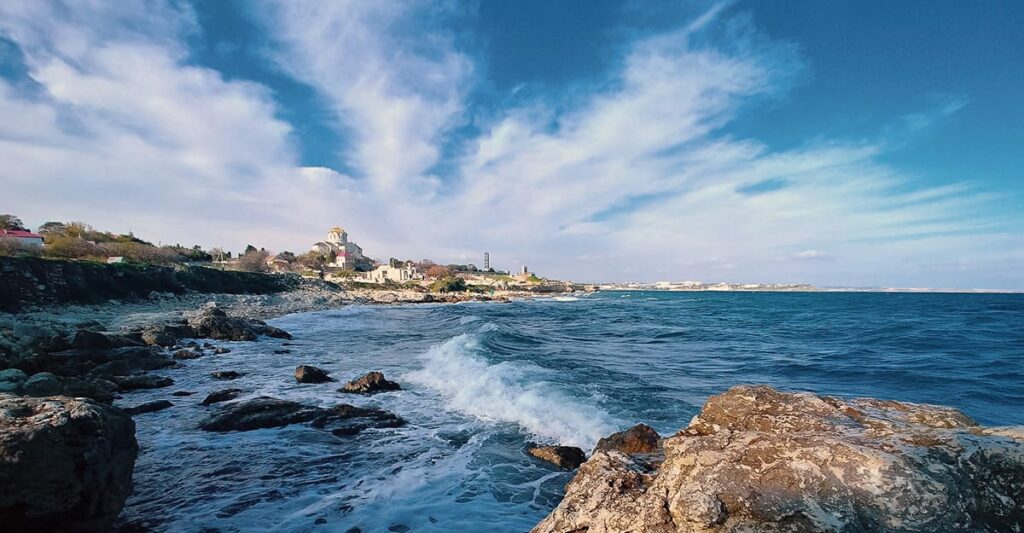
9. The Black Sea is a sea that stretches between Europe and Western Asia. Its area is 422 thousand km², the deepest point is 2,245 m, located south of Yalta, and the salinity of the sea water is approximately 17-18‰.
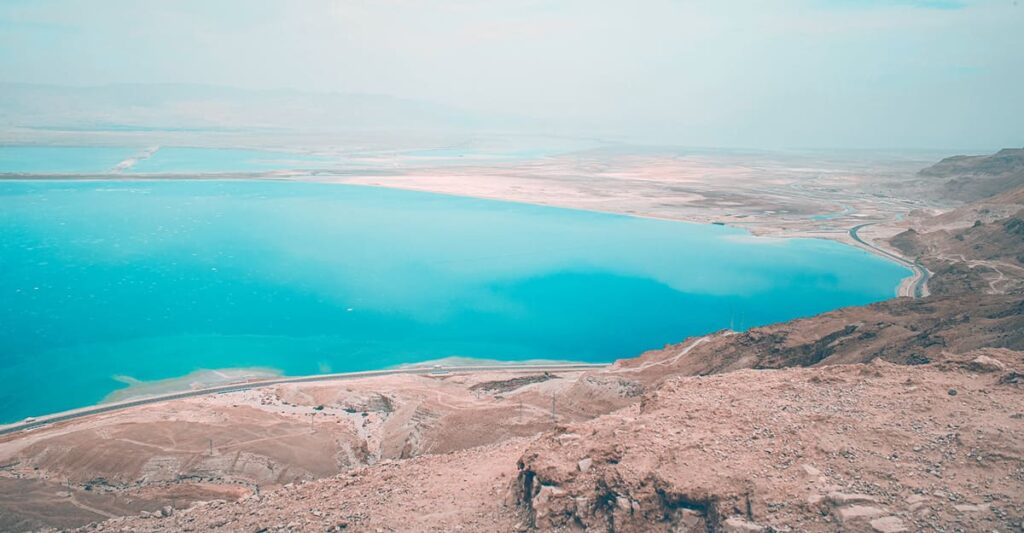
10. The Caspian Sea is located at the junction of Europe and Asia. The water in the Caspian tastes salty – up to 13.2 ‰ in the southeast. Today, the Caspian Sea covers an area of almost 390,000 km², with a maximum depth of 1,025 m.
Interesting facts about the Red Sea
The diversity of corals, underwater flora and fauna put the Red Sea in the first place among other competitors. On the coast, a strip of coral reefs stretches for more than two thousand kilometres. The water here is warmer in temperature than anywhere else in the world. The area of the Red Sea continues to grow, by about a metre every three years, due to the incessant tectonic activity on the earth’s surface.
A characteristic feature of the Red Sea is its crystal clear water. This is undoubtedly due to the fact that no rivers flow into it, which is why it is considered the cleanest of all the seas on the planet.
The waters of the Red Sea wash the shores of eight different countries. There are about 1,200 different species of fish in the water, one tenth of which are found only in this sea. The water in the Red Sea is completely renewed every fifteen years.