



In 1921, the first radiotelephone was produced and installed in US police cars. It was powered by a battery charged by the car’s engine.
The first portable device was introduced to the world by Motorola in 1983. The brick-like device weighed about 800 g, had a battery charge that lasted for 20 minutes of conversation, and took about 10 hours to charge.
The beginning was laid, and the development of the technology was hindered only by the lack of a powerful and small-sized power source that could be quickly recharged for repeated use.
The further evolution of phone batteries is as follows:
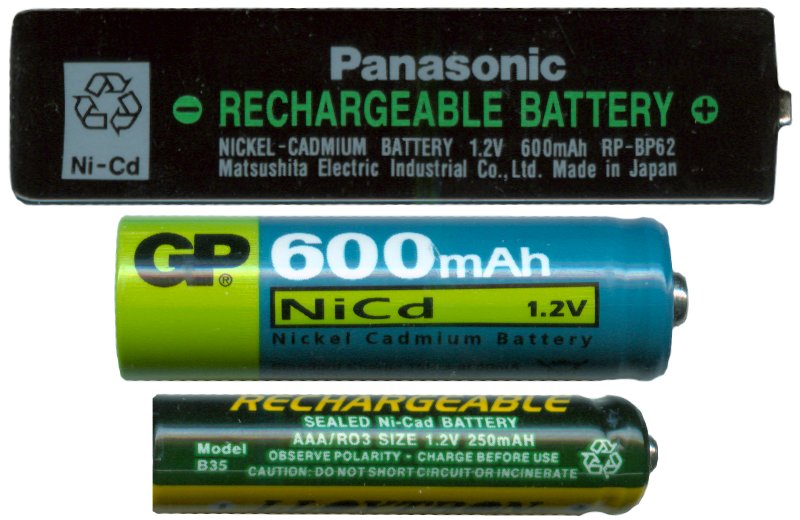
- NiCd (Nickel-cadmium) – cheap, undemanding to ambient temperature, fast charging, but demonstrates a “memory effect” (loss of capacity after recharging a battery that has not yet exhausted its initial charge), toxic to the environment;
- NiMH (Nickel-metal hydride) – cheap, has a high capacity, a slight memory effect, is almost non-toxic, but due to the high level of self-discharge, requires complex and expensive chargers;
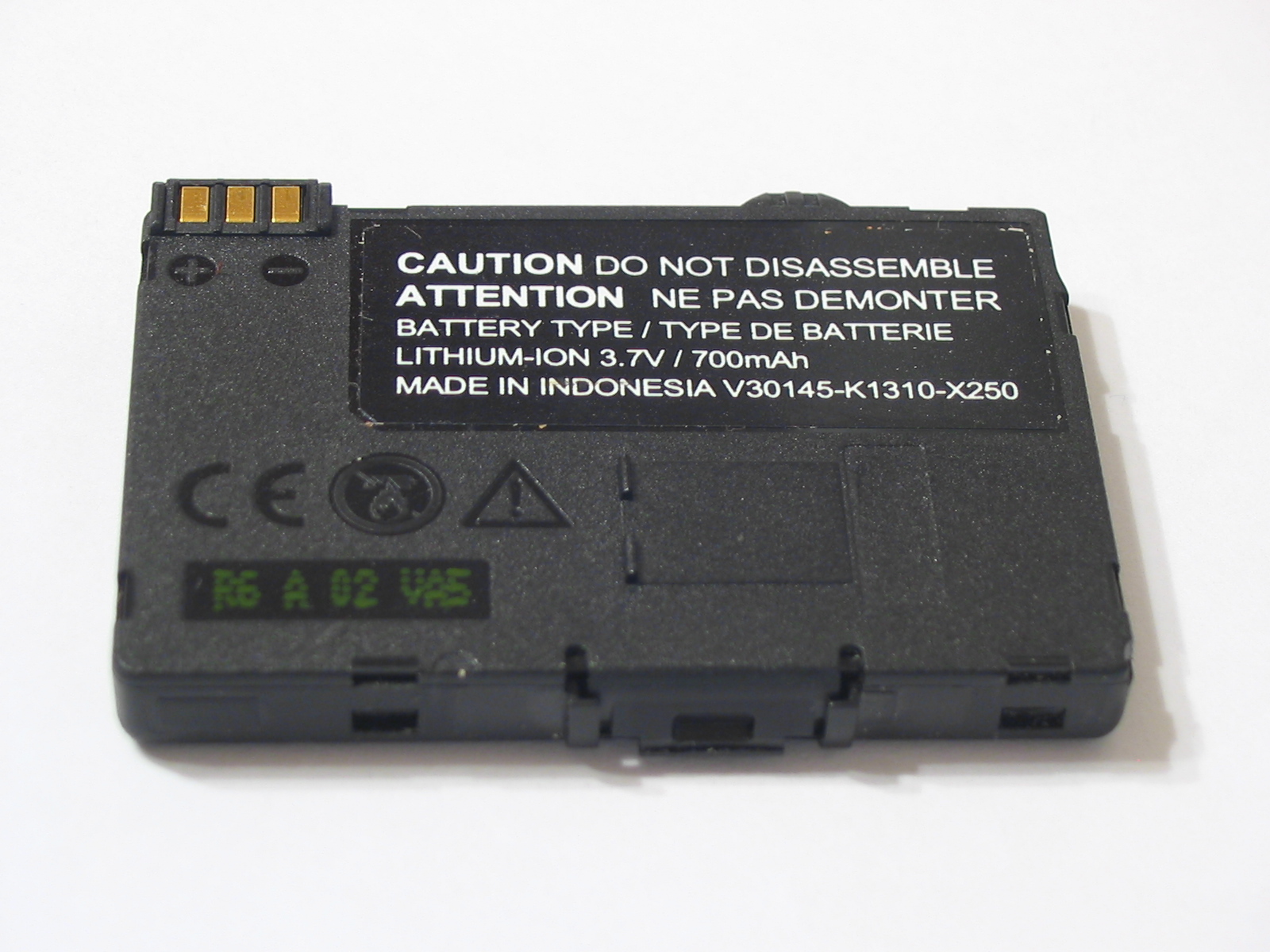
- Li-Ion (Lithium-ion) – a relatively high cost is paid off by an increase in capacity, small dimensions with a complete absence of the “memory” effect.
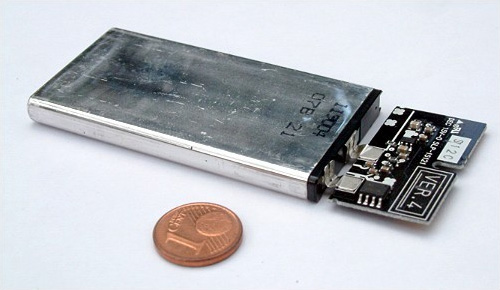
- Li-Pol (Lithium Polymer) – more expensive than Li-Ion, but has a higher energy capacity, smaller dimensions, built-in protection against explosions and fire, and is almost non-toxic.
Today, Li-Ion and Li-Pol batteries are widely used in smartphones.

Can I leave my phone on charge overnight?
No manufacturer prohibits leaving your phone connected to the charger for a long time. Smart electronics will “understand” when the charge level reaches its maximum and switch off the device, preventing it from “recharging”. However, the effect of self-discharge cannot be discounted: the voltage across the electrodes drops slightly below the threshold value and the circuit switches on the full charge again. As a result, the useful capacity of the battery decreases.
Unlike household refrigerators and air conditioners, smartphones do not belong to the class of devices designed for constant and uncontrolled connection to the power grid, so their protection against voltage surges is minimal. A nighttime “surge” in the power grid, caused, for example, by a lightning strike, can easily disable the device.
For this reason, it is not recommended to leave the device connected to the mains unattended, for example, at night or when leaving the room for a long period of time.
Can I fully charge and discharge my phone?
The myth about the need to discharge the phone’s battery to 0% and then charge it to 100% is true only for batteries that have a “memory” effect (NiCd, NiMH). Modern smartphones are switched off by the built-in controller at a charge level of 1-4%. At the same time, manufacturers do not recommend switching on the device immediately after connecting the charger – low power can disrupt the operation of the circuit; it is optimal to wait until the indicator reaches 15-20%.
When 100% of the charge level is reached, the controller of a live battery starts switching between charge and discharge modes due to the self-discharge effect, which converts excess electricity into heat, which negatively affects the chemical components of the battery. Manufacturers recommend maintaining a charge level of 30 to 80 per cent.
Manufacturers recommend keeping the charge level between 30 and 80 percent.
How to charge your smartphone battery correctly
The first thing you should remember is the order in which you connect the devices involved in charging your phone’s battery. The operating instructions clearly state: “Connect one end of the USB cable to the device, the other end to the power adapter, and then plug the adapter into the mains.” In this way, the device is protected by the overload protection circuitry of both the adapter and the smartphone itself.
Additionally installed software, such as AccuBattery, will help maintain the charge-discharge level at the recommended level.
Situations when it is strictly not recommended to put even a completely discharged mobile phone on charge:
- the device has been exposed to low temperatures – after returning from the cold, wait until the device reaches room temperature before charging (condensation will form on cold surfaces, which in turn will lead to a short circuit in the device’s circuits);
- the phone has overheated due to direct sunlight or other reasons – hot semiconductor elements of the circuit change their properties, up to failure when the voltage is applied;
- the gadget has been subjected to mechanical impact, moisture, the battery is “deflated”, has cracks or chips in the case, there are traces of corrosion on the terminals – chemical reactions inside the battery are unpredictable.
Failure to comply with these instructions may result in fire or explosion.
How to charge your new phone correctly

We recommend the following procedure when commissioning a new phone:
- To wake up the battery from long-term storage mode, you should make a few calls, watch some content, or just play a game. The main goal is to discharge the battery to 2-5%. At the same time, you should avoid completely switching off the device – the built-in controller can switch on the protection circuits for safety reasons, after which it will become problematic to bring the device back to life.
- To configure the controller, you need to charge the phone to 100% using the supplied charger (USB ports and wireless charging cannot be used). When you reach 100%, switch off the charger.
After these simple procedures, the device is ready for operation, now it remains to stay within the recommended limits of 30-80%.
Is it necessary to use the original “charger”
Logically, any smartphone manufacturer will try to ensure its trouble-free operation during the warranty period. Accordingly, the parameters of the “native” charging adapter are maximally adapted to the needs of a specific type of battery.
A third-party manufacturer is forced to rely on average values. And due to the unification of power connectors, it is possible that a charger designed to work with tablets will be connected to your phone.
Main characteristics of chargers:
- input voltage, its frequency and current consumption (100-240V; 50-60Hz; 0.35A);
- output voltage and current output to the load (5.0V; 2.0A).
The last parameter is critical – the voltage is 5V standard, but the current strength, depending on the purpose of the device, can vary from 0.85 to 30A. It is the current strength that is responsible for the safety of the charging process and the durability of the battery.
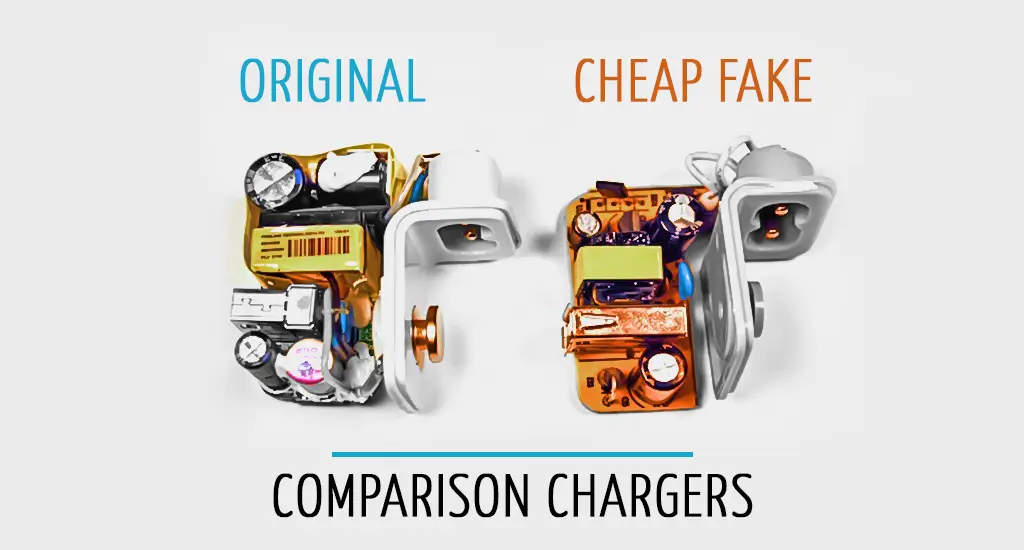
Due to the simplicity of the design and circuitry of modern chargers, any “non-famous” Chinese manufacturer can easily replicate a product of a well-known brand. However, in order to reduce the price, such “actors” often neglect the requirements of mandatory certification, which leads to the appearance of “infernal machines” with dubious characteristics on the market.
“No-name” Chinese chargers tend to be lighter than their “famous” counterparts. This is due to the removal of additional protection systems, which is why such devices emit a characteristic “squeak” during operation, especially noticeable in the night.
There is no single standard for charger load parameters for different manufacturers. Therefore, a non-original AC adapter may not always be able to provide the charging parameters required for the phone. For this reason, the charging time may increase, and the charging level indication may malfunction. Such inconsistencies can lead to overheating and even fire.
But in case of emergency (the “native” charger is out of order and you have not been able to find an officially compatible one), you can safely use third-party adapters, following simple rules:
- A high-quality device cannot be cheap, it is better to spend extra time and look for a promotional code for a device that fits the parameters;
- the value of the charging current should be equal to the “original” or slightly higher (a lower current will not give the battery enough energy, a higher current, although limited by the controller, will increase the likelihood of overheating);
- if the smartphone has a “fast charging” function, you should pay attention to the compatibility of this technology in the charger and the smartphone (often several voltage-current combinations are indicated).
Using a device that is compatible but not officially recommended by the manufacturer is the exception rather than the rule.
Can I use my phone while it is charging?
A smartphone in “standby” mode is like a car idling: it does not perform useful functions, but continues to work. Thus, the first recommendation of the experts: “To extend battery life, you should switch off your phone completely for several hours, at least once a week.” And when is it more convenient to leave the device switched off than when it is charging?
Charging and discharging a battery are two diametrically opposed chemical processes, one of which involves the absorption of energy, the other the release of energy. Both reactions generate heat. Obviously, the charging time for a device that is actively used will inevitably increase. At the same time, if viewing photos in an email takes 2 to 5 per cent of the charge, editing them in a powerful editor can lead to significant overheating, which is detrimental to all devices that use chemical energy conversion principles.
And if you can’t turn off the phone while it’s charging, you can create a mode that will save it by turning on the dark screen theme and power saving function.
Why your phone’s battery deteriorates over time
After 5-6 months (at best, a year), the useful capacity of the battery decreases. However, according to the observations of service centre engineers, the drop in capacity for the same model varies, and can range from 15 to 22% over the course of a year. Thus, the reason for the “sagging” is not only in physical processes, but mainly in operating conditions.
The manufacturer guarantees trouble-free battery operation for 500 charge-discharge cycles. The system for calculating the “cycle” looks like this: the phone is set to charge with a residual level of 35%, and is removed when it reaches 100%, meaning that the amount of energy received is 65%. The “cycle” will end the next day, when it is discharged to 65% (the battery will “give back” 35%): 65% received plus 35% given back, the result is 100%. This is another reason not to break the algorithm of “pumping” energy, leaving the phone “alone” while charging.
Lithium batteries are not threatened by the “memory” effect, the controller protects them from overcharging, and the main enemy is temperature. Ideally, it should be 20 degrees.
Battery University tests have shown that after a year, when charged to 100% and at a temperature of 30 degrees, the effective capacity dropped by 20%, and at 40 degrees, the drop was already 35%.
Conclusion: excessive heating of the gadget should be avoided, and it is advisable to remove the device from the case during charging.
Low temperatures also damage the battery: in cold weather, it is better to keep the device in a pocket under your clothes instead of in a bag.
Some apps running in the background, such as social networks, messengers, and banking services, also reduce battery life. They periodically make requests to the bank, check for new messages, etc. At the same time, energy is consumed without the owner’s knowledge. Such functions as NFC, WiFi, and geolocation are also constantly accessing the Internet. In the “active search” for new devices, it reduces the Bluetooth charge level. You can detect such “spies” using information from the Battery section in Settings.
The average effective battery life is 2-3 years, but if the power supply fails after a year, it is a reason to reconsider the operating conditions.
A battery that has reached the end of its useful life becomes a toxic waste container and must be disposed of using special technologies. It is strictly forbidden to dispose of it with ordinary household waste.