


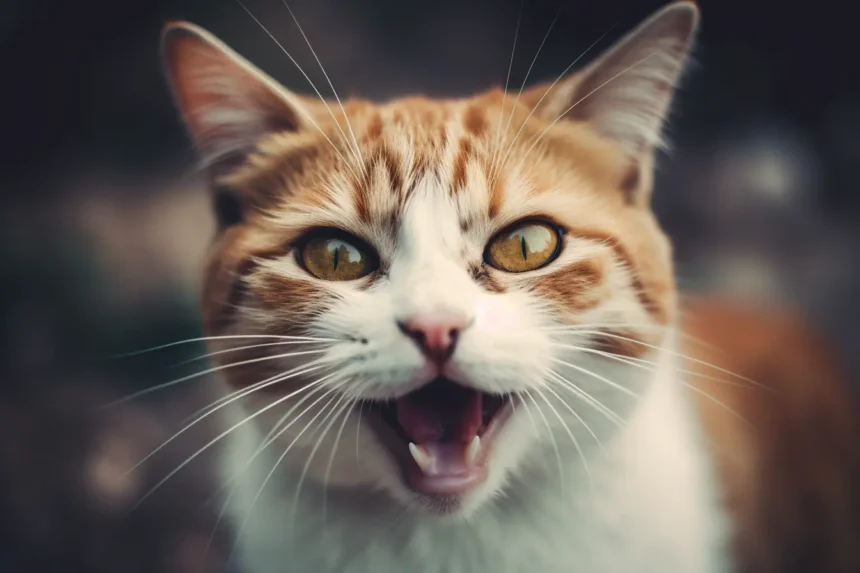
Whether you like a reassuring meow from time to time or you get impatient with all your cat’s attempts to talk, the reasons why cats meow are as fascinating as the kittens themselves.
The main reason cats meow is that they are trying to communicate with you. It is true that they may not always be able to say important things, but in case it is their SOS signal, pay attention to the other signs that accompany the meow.
Read also
Cat breeds that meow the most
- Siamese;
- Oriental;
- Maine Coon;
- Sphynx;
- Bengal cat.
Younger cats often meow more than adults, although older cats may also start to vocalise excessively, especially if they have more physical complaints or feel more confused.
The main reasons why cats meow
Greetings and communication
Greetings – your cat will often meow to say hello, especially if you have been away for a long time or if she is alone. Cats communicate with their own kind mainly through smell, and cat meowing is a language intended only for humans.
That is, cats do not meow to each other. Different meows also tend to mean different things, and a slight difference between meows may indicate that your cat is talking to you for a completely different reason. Your cat’s quick, short meows are his way of saying “hello” and “where have you been all this time”. In return, expect a few gentle movements and a few warm words before your feline friend goes back to his normal routine.
Read also
Psychological problems
If you notice your cat meowing excessively on top of the normal communication you expect from your feline friend, consider any possible disturbances or changes in your cat’s environment. A new home, a new pet, or a new baby can cause anxiety in your furry companion’s mind.
Therefore, be aware of any changes and try to calm your cat down by offering him more attention and a nice quiet time. If your cat is confused or disoriented, a cautious meow or a more pleading howl may be a cry for help, especially when he feels lost or trapped.
Physical discomfort
If your cat is meowing at night, he may be trying to tell you that something is wrong. Many medical conditions can cause a kitten to meow for help. If you notice anything unusual about the sounds your cat is making, it’s always best to visit your local vet to rule out a possible illness.
Your cat may be suffering, in pain or in need of your attention, so make sure you don’t dismiss the meowing as mischief before ruling out any possible health or welfare reasons.
Sexual desire
Sexual drive – a cat in heat may meow or howl as her hormones fluctuate and she is looking for a mate, and a male may meow in the same way if he smells a female nearby. But it can happen that he often wanders around the territory at night and for many kilometres to find his beloved.
Fluctuations in hormones from heat cycles and mating urges can cause even more and louder meows.
Requirements
A cat may meow in response to our own actions, especially if it is aware of what we are doing and wants to emphasise that action, for example, when filling a bowl with food.
A sick or injured cat meows much louder and more insistently.
A strong, loud, sharp meow can be a warning to an opponent.
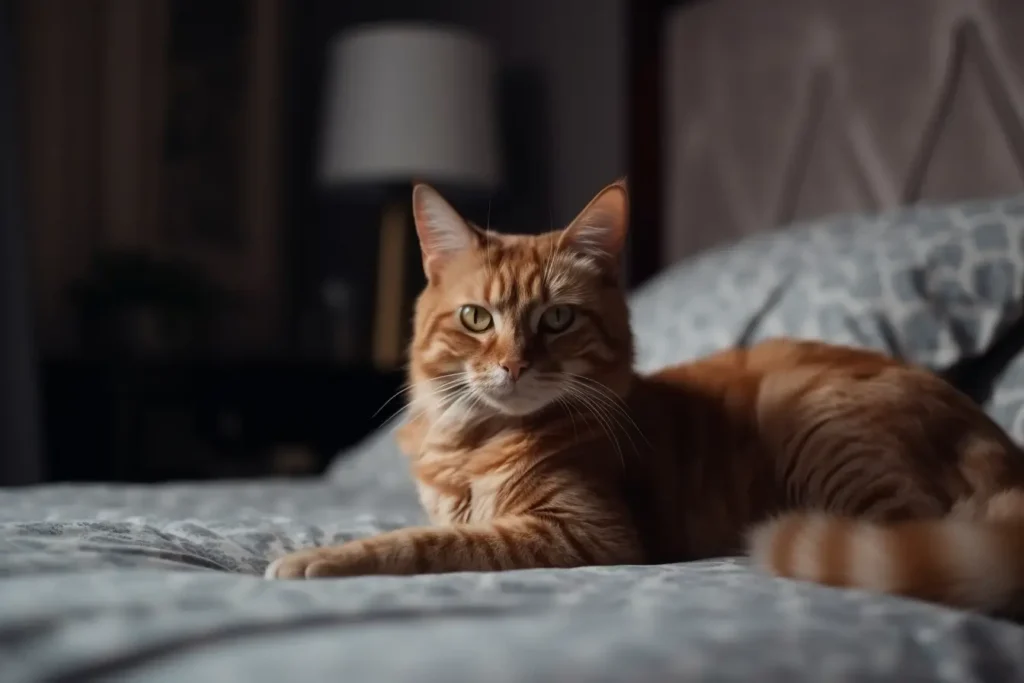
Should you worry if your cat meows?
- If your cat is always equally noisy, there is nothing to worry about. However, excessive and unusual-sounding cat meowing can be a sign of a serious medical condition. Be sure to visit your local vet and discuss any unusual symptoms or behaviour.
- If your cat is meowing too much, it’s important to find the cause of it so you can help them. Addressing other issues, such as hunger or thirst, may help calm her down.
- If you can’t find the reason why your cat is meowing all the time, you should seek professional help.
How to help a cat when it meows?
If you really love your loud pet, you should know what to do and what to avoid when they meow incessantly:
- Don’t ignore your cat, even if you have other things to do.
- Don’t punish your cat for meowing incessantly, even if you find it very annoying.
- Try distracting your vocal cat with food or his favourite toy.
- Install a cat door so that he can go outside without you having to do anything.
- Hire a pet sitter to keep your cat from getting lonely.
- Return the cat to its usual routine if it does not like any changes in its life.